

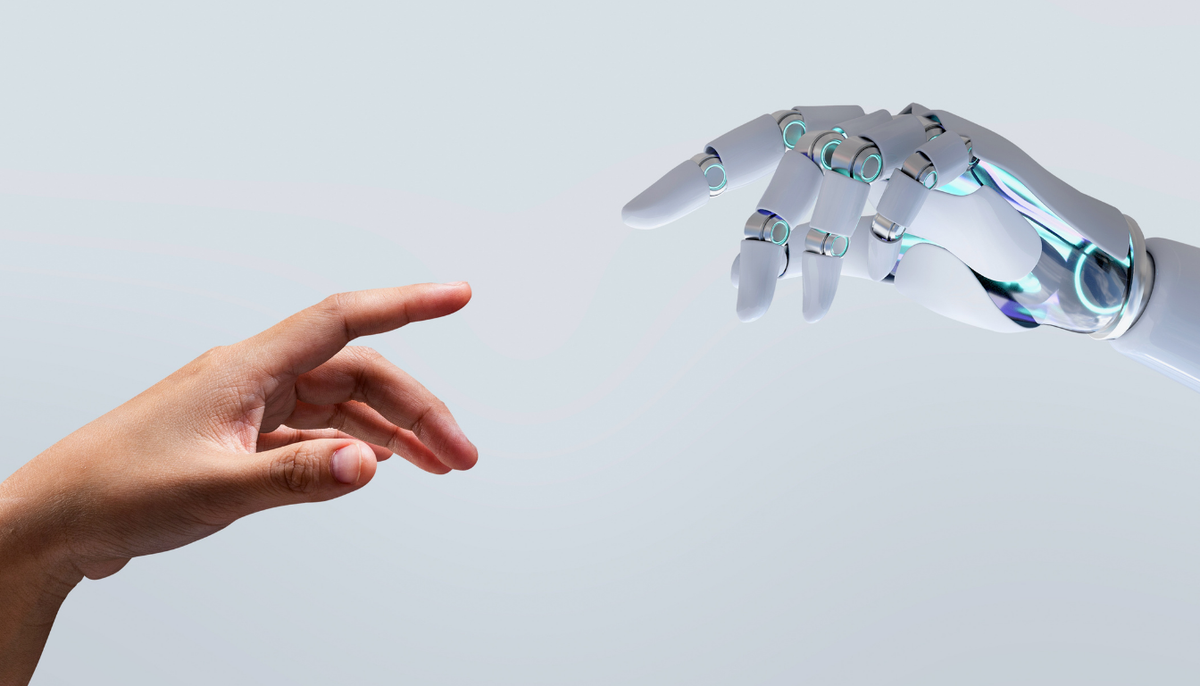
A home robot should make daily life easier without taking over the room. People want useful help but also value safety, privacy, comfort, and space. They don't want a machine to dominate their space.

Global user feedback shows a strong preference for specialized, quiet home technology over intrusive designs. They found humanoid designs too distracting and less safe in personal spaces. Focused home robotics were seen as safer and more private.
Yet, people didn't completely reject human-like assistants. They were more open to them when safety tests, regulation, and insurance were clear. But, acceptance didn't always mean they would buy one.
Home technology must prove itself in real, living environments—not just controlled lab demos. The best solution to an intrusive smart home is calm support. It should respect attention and space, not add to the clutter.
How BoltzLog Redefines the Personal Service Robot for the Home
BoltzLog brings together robotics, spatial awareness, and smart design for busy homes. It focuses on quiet support, not constant attention.

Why helpful home technology should earn its place indoors
A personal service robot should do real tasks and blend into home life. People like robots that offer useful help but also feel safe and believable.
Many families prefer robots for tasks like folding laundry or carrying items. This shows that useful home tech should help without taking over.
How Flyer O1 supports indoor life in the background
Flyer O1 moves smoothly through daily routines and adjusts to changing spaces. It aims to meet small needs quietly, without being the main focus.
Early tests with full-size robots in apartments show in-home services are becoming a reality. Boltzlog focuses on practical support that respects everyone's space.
Low-Disturbance Behavior and Calm Technology for Daily Routines
A home robot should fit into daily routines without demanding attention. BoltzLog positions Flyer O1 around calm technology. This means quiet movement, simple timing, and support that does not interrupt a conversation, nap, or meal.
What low-disturbance behavior looks like in a home robot
Low-disturbance behavior means moving with care around pets, chairs, cords, clutter, and fragile items. It also means avoiding risky tasks near stairs, hot surfaces, or sharp tools.
In real-world living environments, households often raise concerns about tripping, tipping, or unexpected glitches during operation. Routine chores with limited interaction felt more comfortable than tasks that required carrying items on stairs.

Contextual awareness instead of constant alerts
Contextual awareness helps a robot respond to what is happening in the room. It recognizes when a household is busy, resting, or moving through a tight space. This way, it sends alerts only when necessary.
Strong home awareness supports better choices. For example, waiting before crossing a hallway or keeping a safe distance from a pet’s bed. This approach keeps useful help from becoming noise.
Background robotics that respects attention and space
Background robotics is built for support that stays out of the way. Flyer O1 can adapt its movement and timing to the household. This way, people remain focused on their own tasks.
With calm technology, a robot does not need to be the center of the home. It can provide assistance with a lighter presence and more respect for personal space.
Spatial Understanding: Designing Home Robots for Safer Autonomous Movement
A home robot needs to adapt to a house's ever-changing layout. Chairs move, bags appear by the door, and pets might suddenly cross paths. A robot must be able to notice these changes before it moves.
Adapting to real homes instead of idealized spaces
Moving around indoors is more challenging than it seems. A robot must avoid table legs, identify objects, and reach behind a bowl for a cup. It also needs to carry the cup without spilling.
Homes often have little open space. People might be willing to make small changes, like moving a footstool, if the robot is helpful. A small, wheeled robot with a basic gripper can do many tasks without taking up too much space.
Enclosed design for homes and a compact physical presence
BoltzLog designed Flyer O1 with an enclosed design for indoor use. Its design makes it look cleaner and less intimidating than a large humanoid robot. This is important in shared spaces where people want technology to be calm and unobtrusive.
A home-ready robot should fit into daily life, not the other way around. By combining spatial understanding with a smaller size, Flyer O1 can safely move through busy rooms and narrow paths in the home.
Natural Interaction: Messaging Controls and Household Privacy
A home robot should fit into the tools people already use. With Boltzlog robotics, familiar messages can turn a request into a clear task. This way, the household stays in control.
Intuitive Messaging: Controlling Your Home Robot via WhatsApp and WeChat
A messaging control robot can accept simple requests. For example, checking a room or coordinating a routine. WhatsApp robot control gives users a familiar way to send instructions without learning a complex new app.
WeChat interaction works in a similar way. Short messages, status updates, and clear confirmations support natural interaction. This helps without adding noise to a busy day.
Privacy Expectations for Connected Home Technology
Connected devices deserve clear privacy rules. Families should know if camera, audio, or map data leaves the home. They should also know who can access it and how long it is kept.
As connected home technologies evolve, users deserve full transparency regarding remote connectivity and user privacy. Before enabling cloud features, users can review clear data permissions, app security settings, and local privacy boundaries to ensure complete peace of mind.
Natural Interaction Home Robot Controls That Keep People in Charge
A natural interaction home robot should ask for approval when a request is unclear or sensitive. Simple controls to pause work, limit access, or delete stored data help. This makes each task feel more personal and secure.
Smart Home Household Coordination That Delivers Useful Everyday Value
Smart home systems work best when they make life easier, not harder. BoltzLog sees Flyer O1 as a home robot that enhances daily life quietly and effectively.
Coordinating Devices across Your Living Space
Good smart home tech connects tasks across rooms and routines. A robot can manage floors, dishes, and laundry, fitting into your daily routine.
By smoothly synchronizing tasks like scheduling routines and contextual checking, Flyer O1 provides reliable, autonomous support that saves you time every day.
How Flyer O1 Earns Its Place in Everyday Life
A home robot gains trust by being reliable, safe, and genuinely effective. When Flyer O1 works without needing attention, it becomes a valuable part of daily life.
Share:
What Should You Look For in a Robot Designed for Living Spaces?